The Ultimate Guide to Dolphin Watching in Kalpitiya (Ethical Boat Tours)

Ethan Miller
Travel Writer
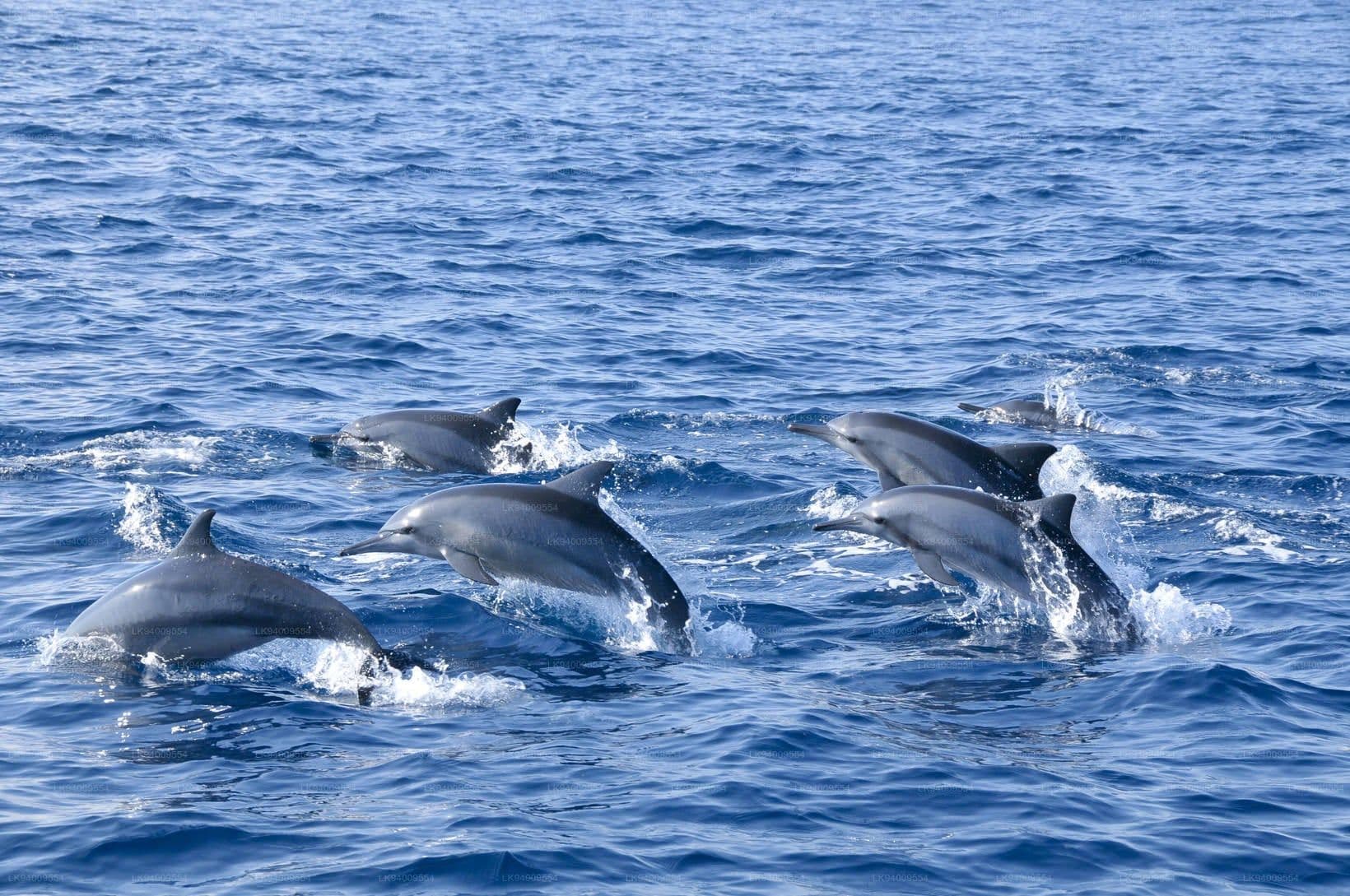
Imagine being surrounded by the ocean, miles from the shore, when suddenly the water around you erupts. It starts with one splash, then ten, then hundreds. Before you know it, you are in the middle of a "superpod" thousands of dolphins jumping, spinning, and racing alongside your boat.
This is not a scene from a documentary; this is a standard Tuesday morning in Kalpitiya.
Kalpitiya is widely considered one of the best places in Asia to see Spinner Dolphins. Unlike other destinations where you might be lucky to spot a fin or two, here the numbers are staggering. However, with great popularity comes a great responsibility. As a traveler, the choices you make can either harm these incredible creatures or help protect them. This guide is your roadmap to experiencing the magic of Kalpitiya’s dolphins responsibly, safely, and at the perfect time.
The "Dolphin Line": Why They Are Here
The geography of Kalpitiya is unique. Just a few miles off the coast, the continental shelf drops away sharply. This deep water runs parallel to the peninsula, creating a nutrient-rich feeding ground known locally as the "Dolphin Line."
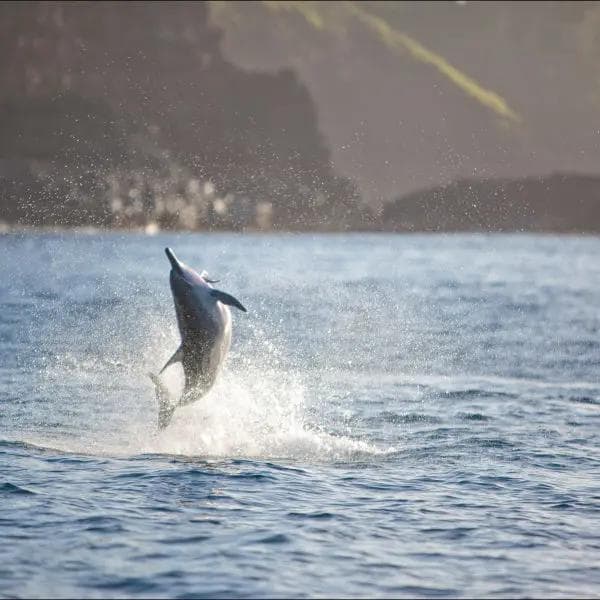
This specific geography attracts massive pods of Spinner Dolphins, famous for their acrobatic vertical leaps and longitudinal spins. While Spinners are the main event, lucky visitors might also spot Bottlenose Dolphins, Risso’s Dolphins, and even the majestic Sperm Whale, particularly if you venture a bit further out into the deep.
Timing is Everything: The Season and The Hour
You cannot simply show up in Kalpitiya any month of the year and expect to see dolphins. The season is strictly dictated by the monsoons.
The Golden Window: November to April During these months, the ocean is calm. The water is often like a mirror, which makes it easy to spot the fins breaking the surface. Outside of this window (May to October), the Southwest Monsoon makes the sea too rough for the small watching boats to operate safely, and the dolphins tend to move further offshore.
The Early Alarm: 7:00 AM Departure This is not an activity for late sleepers. Tours typically depart at 7:00 AM or earlier. You want to be out on the water before the wind picks up and before the sun gets too hot. The early morning light also provides the best visibility and photography conditions.
The Dark Side of Dolphin Watching: Why Ethics Matter
This is the most important part of this guide. In recent years, dolphin watching in Kalpitiya has exploded in popularity. Unfortunately, this has led to some boat operators prioritizing "chasing" the dolphins over respecting them.
You might see boats driving straight through the middle of a pod, cutting off mothers from calves, or racing at high speeds to get closer. This causes immense stress to the animals. If dolphins feel threatened, they will dive deep and disappear ruining the experience for everyone.
How to Spot a Good Boat Operator:
They Don't Chase: A responsible captain will position the boat parallel to the pod and match their speed. They let the dolphins come to you.
Engine Management: They will cut the engine or idle when the dolphins are close to minimize noise pollution.
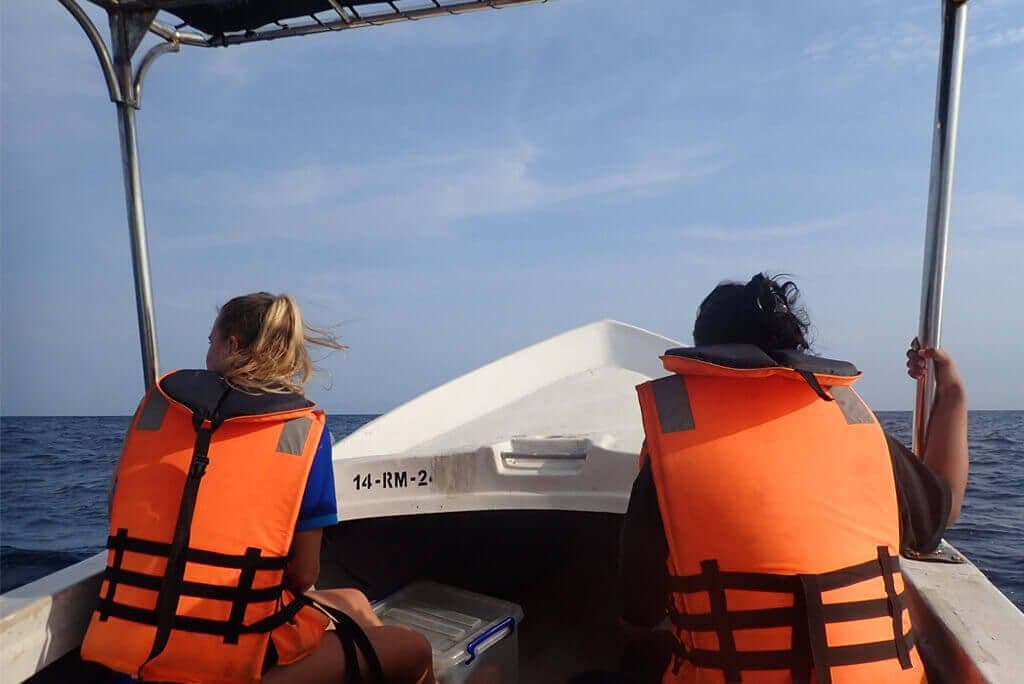
Life Jackets: They insist that every passenger wears a life jacket before the boat even leaves the sand.
When you book your tour whether through your hotel or a beach operator specifically ask them about their policy. Say, "I do not want to chase the dolphins. I want to watch them naturally." Good operators will respect this and appreciate that you care.
What to Expect on the Boat
The boats used in Kalpitiya are generally small, 18-20 foot fiberglass vessels with an outboard engine and a sun canopy. They are designed to handle the beach launch, where the crew will push the boat into the surf before jumping in.
The Ride: It takes about 20 to 40 minutes to reach the Dolphin Line. The ride can be bouncy, so if you are prone to seasickness, take a tablet 30 minutes before you leave.
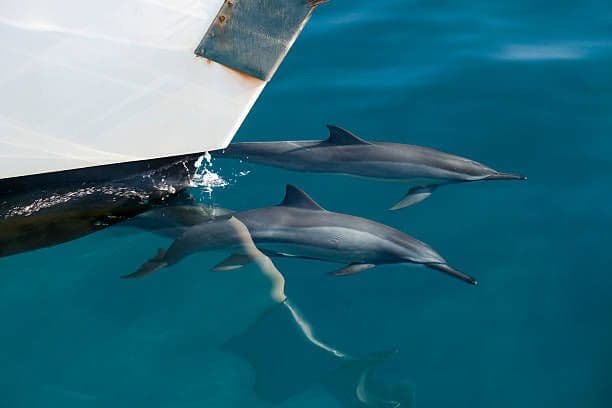
The Sighting: When you find the pod, the sound is the first thing you notice the sharp breaths of the dolphins surfacing. You will see them playing, mating, and teaching their young. Spinner dolphins are natural performers; they often "bow ride," swimming just inches from the front of your boat, pushed along by the pressure wave. It is a moment of pure connection with nature.
Practical Tips for a Perfect Trip
- Protect Your Gear: Salt spray is inevitable. Bring a dry bag for your phone and camera. If you are using a DSLR, keep it covered when the boat is moving fast.
- Hydrate: It gets incredibly hot out on the open ocean. Bring a bottle of water.
- No Feeding: Never, under any circumstances, try to feed the dolphins. It disrupts their natural hunting behaviors and diet.
- Permits: Ensure your boat operator has the necessary wildlife permit. This money goes towards conservation efforts by the Department of Wildlife Conservation.
Final Thoughts
Dolphin watching in Kalpitiya is one of those rare travel experiences that lives up to the hype. The sheer volume of wildlife is humbling. By choosing to watch them ethically, you ensure that these intelligent, playful creatures remain safe in their home waters. So, set your alarm clock, grab your camera, and get ready to witness one of the ocean’s greatest shows respectfully.
Enjoyed this story? Share it
About the Author
Ethan Miller
A passionate coastal explorer and storyteller dedicated to uncovering world-class kitesurfing spots, hidden lagoons, and the vibrant marine life of Kalpitiya, Sri Lanka.