The Green Feast: A Vegetarian’s Guide to Eating in Kalpitiya (Rice & Curry Gems)
Dulaj Wickramasinghe
Travel Writer
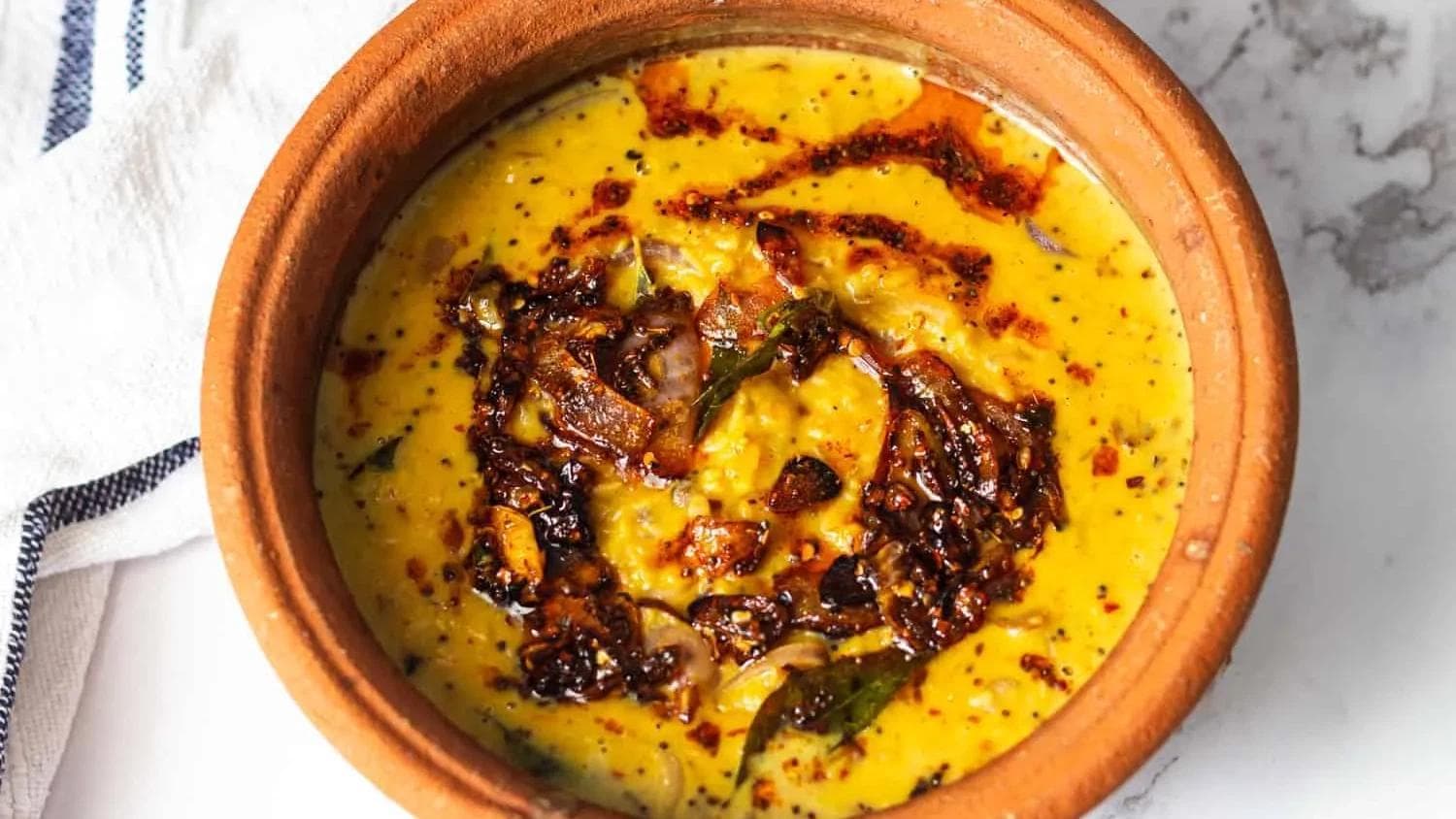
Many travelers fear that coastal destinations, dominated by fishing and seafood, will be difficult for vegetarians or vegans. In Kalpitiya, that fear is quickly replaced by delight. Sri Lanka has one of the world’s most delicious, varied, and naturally plant-heavy cuisines, built on a foundation of Buddhist and Hindu traditions.
Forget sad salads and boring stir-fries. Eating vegetarian or vegan here is not about substituting; it is about celebrating the incredible variety of the island’s vegetable and spice gardens. From creamy Dhal to rich Jackfruit Curry, your food journey in Kalpitiya will be just as adventurous as your time on the water.
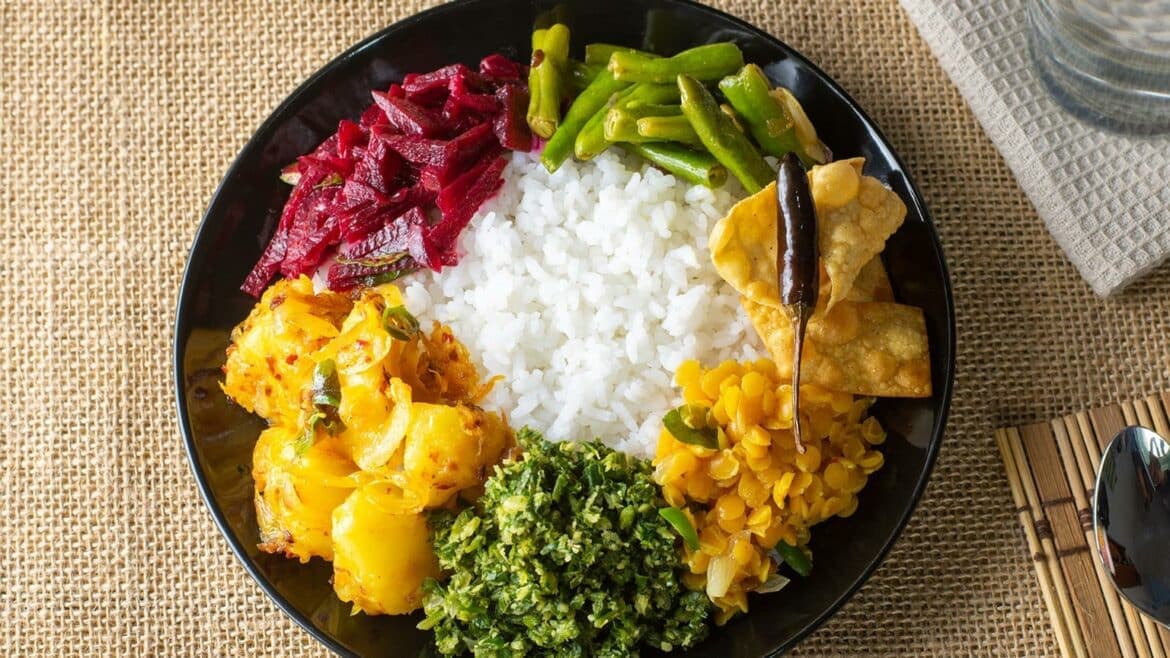
The Golden Rule: It's Not A Curry, It's Curries
The biggest mistake travelers make is ordering "Vegetable Curry." In Sri Lanka, when you order this, you receive a central mound of rice and several small bowls or servings of different, specialized vegetable curries. This is where the magic happens.
Every vegetable is treated differently, simmered in distinct spice mixes:
- Parippu (Dhal Curry): The absolute national staple. Red lentils cooked with copious amounts of creamy coconut milk, turmeric, and local spices. It is mild, comforting, and essential.
- Wambatu Moju (Eggplant Pickle): Deep-fried eggplant strips caramelized in a sweet, sour, and spicy sauce with vinegar and onion. It is intensely flavorful and highly addictive.
- Wattakka Curry (Pumpkin Curry): Often slow-cooked until it falls apart into a rich, sweet, and comforting golden stew.
- Bandakka Curry (Okra Curry): Often cooked quickly to keep the okra firm, or sometimes fried until crispy before being sauced.
The Vegan Challenge: Mastering the Dialogue
While the food is naturally plant-heavy, a true vegan needs to be mindful of two key ingredients commonly used for depth of flavor:
Maldive Fish (Umbalakaḍa): Dried, cured tuna fish flakes are often added to sambols (like Pol Sambol) and sometimes used as a base seasoning in Dhal Curry.
Coconut Milk: This is fine, but double-check that no dairy milk or butter ghee was used in the final preparation (though this is rare in local spots).
The Key Phrase: While many locals speak English, being clear is crucial. Politely state: “No meat, no fish, no egg, no Maldive fish.” Most guesthouse hosts will understand and happily accommodate your request, preparing dishes without the optional fish flakes.
The "Meat" Substitute: Polos (Jackfruit Curry)
If you are craving a richer, more substantial curry experience, look for Polos, or Green Jackfruit Curry. When young jackfruit is cooked slowly in coconut milk and spices, it takes on a surprisingly 'meaty' texture, soaking up the rich curry sauce. It is hearty, satisfying, and a plant-based revelation.
Other satisfying staples include Gotukola Sambol (a powerful, fresh salad made from a local medicinal leaf, coconut, and lime) and String Hoppers (steamed rice noodles) paired with a vegetable stew for breakfast.
Where to Find the Best Vegan Food
Guesthouses and Homestays: Your host is your best resource. They cook one meal a day for their family, and that meal is often the most authentic and diverse spread of vegetarian curries you will find. Ask to book dinner with them in advance.
The Town Market Eateries: Small, local 'hotels' (eateries) in the main Kalpitiya town are usually very reliable. Since the kitchen is always cooking large batches of Dhal and several vegetable sides, you can fill up on these staples easily and affordably.
Local Bakeries: Look for plain Godhamba Rotti (flatbread) and ask for it with Dhal on the side. However, beware of samosas and rolls, which often contain fish or egg.
Final Thoughts
Traveling as a vegetarian or vegan in Kalpitiya is not an obstacle; it is a gateway to the most authentic and delicious side of Sri Lankan cooking. Your focus shifts from seeking out protein to celebrating color, spice, and texture. Be bold, be polite, and embrace the sheer variety of vegetable gems the island has to offer you will never go hungry!
Enjoyed this story? Share it
About the Author
Dulaj Wickramasinghe
A passionate coastal explorer and storyteller dedicated to uncovering world-class kitesurfing spots, hidden lagoons, and the vibrant marine life of Kalpitiya, Sri Lanka.