Street Food 101: What to Eat at the Kalpitiya Town Market (Budget Eats)

Amelia Rose
Travel Writer

If you want to taste the real soul of Kalpitiya, you need to leave the quiet kite camps behind and venture into the bustling atmosphere of the main town. Here, where the fishermen sell their haul and the locals gather after sunset, the culinary scene is cheap, loud, and incredibly authentic.
This is the home of street food the rapid-fire, low-cost cuisine that fuels the local population. Finding the best market bites can feel overwhelming, but follow your ears and your nose, and you will unlock the most affordable and thrilling food experiences the peninsula has to offer. Be ready to get your hands messy and your taste buds tingling.
The Sound of Sri Lanka: Kottu Rotti
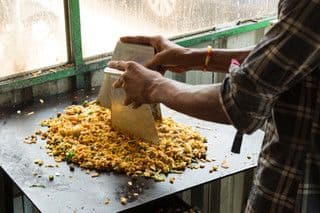
You will hear it before you see it. The rhythmic, mesmerizing clang-clang-clang of metal spatulas on a hot iron griddle is the soundtrack of the Sri Lankan evening. This sound signals you have found Kottu Rotti.
Kottu is a legendary street food: shredded Godhamba Rotti (flatbread) is stir-fried with finely diced vegetables (cabbage, carrots, leeks), egg, and your choice of protein chicken, prawn, or a healthy vegetable version. The mix is bound together with a generous ladle of fragrant curry sauce and chopped until it achieves a perfect, delicious texture.
Practical Tip: Kottu is usually a dinner or late-night snack. It is extremely filling and can be ordered to share. If you are nervous about the heat, ask for a mild version (less miris), but remember, the spicy kick is part of the experience!
The Coastal Snack: Isso Vadei (Prawn Fritters)
For a true coastal street bite, seek out the vendors selling Vadei. These are deep-fried lentil patties, cheap, hot, and satisfyingly crumbly.
In Kalpitiya, the coastal specialty is often Isso Vadei (Prawn Vadei). These patties are topped with one or two succulent, shell-on prawns and a sprinkling of chili powder. They are sold stacked high on market trays, often served with a thin, spicy sauce or a sprinkle of chopped onion and chili. They are the perfect accompaniment to a cool glass of fresh lime juice and an excellent way to get a taste of the local seafood for less than a dollar
The Tea-Time Classics: Short Eats
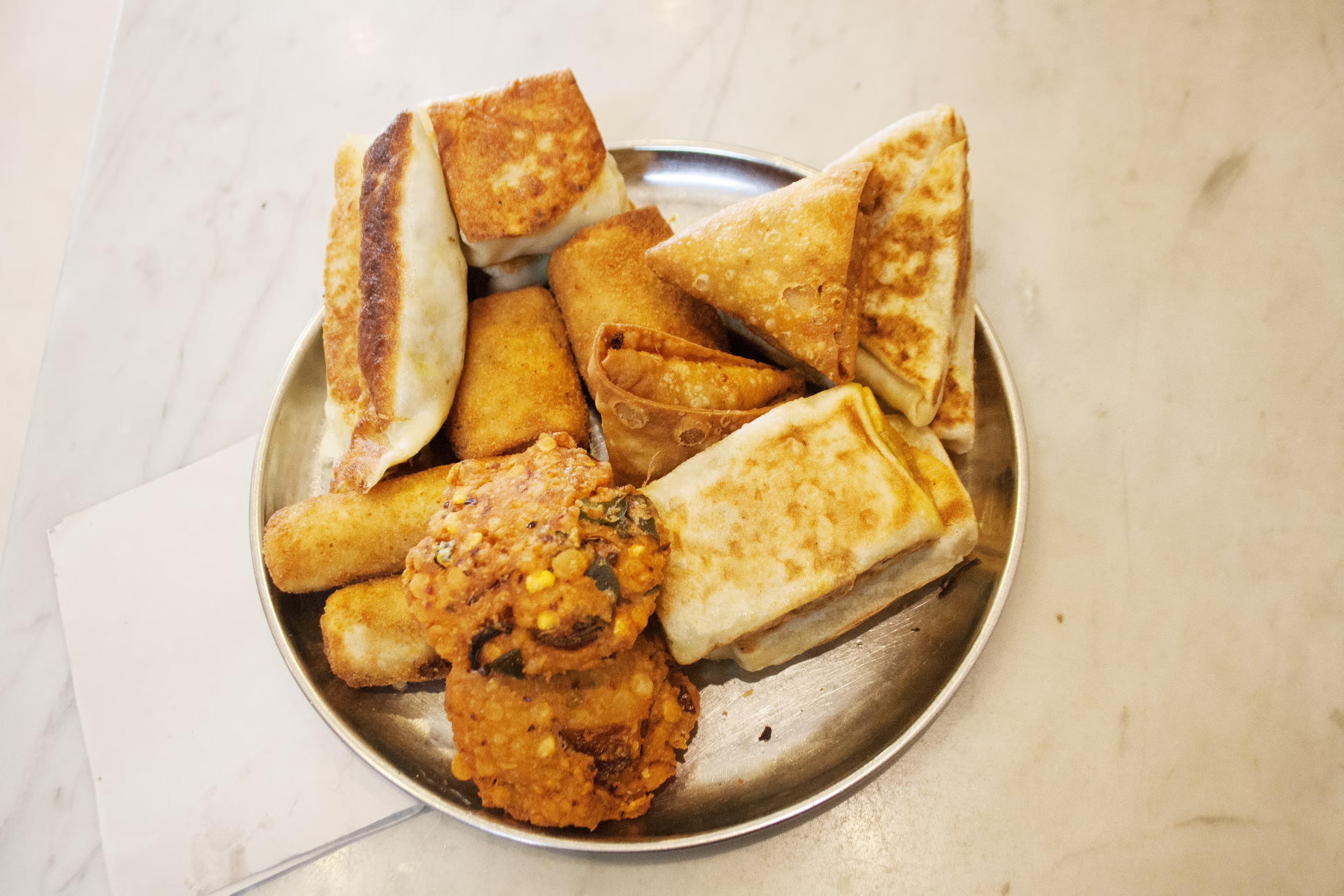
Before the intense evening rush, the bakeries and small food stalls offer a variety of "Short Eats" small, savory snacks designed to be eaten with a cup of hot, sweet Ceylon tea. These are great for a quick, mid-day fuel stop.
- Fish Rolls: A spiced fish and potato filling rolled in a thin pancake, breaded, and deep-fried into a crispy golden cylinder.
- Fish Buns (Maalu Paan): A soft, slightly sweetened bun shaped like a triangle, filled with a savory mixture of tuna curry.
- Samosas and Cutlets: You will find the standard triangular samosas (often vegetarian) and round, spiced potato/fish cutlets.
Look for the stalls near the main bus stop or town square. A good rule of thumb: buy from the stalls where the items look freshly made and are moving quickly.
The Refreshing Final Touch
No street food tour is complete without a spicy or sweet palate cleanser.
- Achcharu (Pickled Fruit): This bizarre but addictive snack consists of firm fruits (like pineapple, mango, or starfruit) pickled in a spicy, vinegary brine with chili, sugar, and salt. It hits every flavor point simultaneously: sweet, sour, hot, and salty.
- Saruwath and Juices: Vendors selling brightly colored fruit juices lime, mango, passion fruit, or the local Saruwath (a sweet, rose-water-like beverage) are everywhere. Always ask for a refreshing Thambili (King Coconut) for the ultimate natural electrolyte drink.
Practical Tips for a Great Street Food Trip
- Go in the Evening: While the morning market is great for fresh produce, the hot food vendors selling Kottu and Vadei usually set up around 5:00 PM and cook well into the night.
- Bring Cash: Street vendors only accept small currency notes (LKR 100-500). Street eats are incredibly cheap, usually ranging from LKR 100 to LKR 400 per item.
- Hygiene Check: Trust your gut. Choose stalls with high customer turnover and where the food is cooked fresh in front of you (like Kottu).
- Embrace the Mess: This is food designed to be eaten quickly and casually. Don’t expect forks and knives; dive in and enjoy the culture!
Final Thoughts
The Kalpitiya Town Market is more than just a place to buy goods; it is a cultural nexus where you can experience the real rhythm of life on the peninsula. It is authentic, affordable, and easily the tastiest adventure you can have off the water.
Enjoyed this story? Share it
About the Author
Amelia Rose
A passionate coastal explorer and storyteller dedicated to uncovering world-class kitesurfing spots, hidden lagoons, and the vibrant marine life of Kalpitiya, Sri Lanka.