Snorkeling at Bar Reef: Exploring Sri Lanka’s Largest Coral Sanctuary

Shehan De Silva
Travel Writer
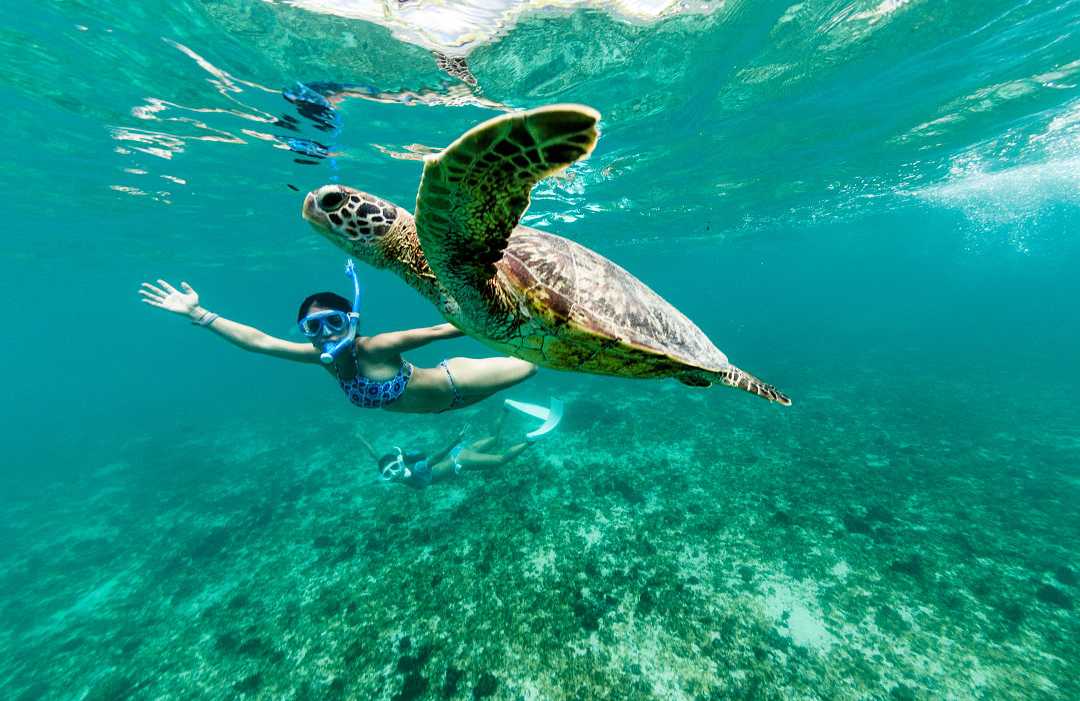
When you look out from the beaches of Kalpitiya, all you see is endless blue ocean. But just an hour’s boat ride away, hidden beneath the waves, lies a massive underwater metropolis. This is the Bar Reef Marine Sanctuary, the largest coral reef system in all of Sri Lanka.
Spanning a staggering 300 square kilometers, this is not just a snorkeling spot; it is a protected biodiversity hotspot. For ocean lovers, it is the crown jewel of the northwest coast. However, unlike the shallow beach snorkeling you might find in other parts of Asia, Bar Reef is a true open-ocean adventure. It offers a chance to swim in crystal-clear waters, encounter ancient sea turtles, and witness the resilience of nature firsthand.
What Makes Bar Reef Special
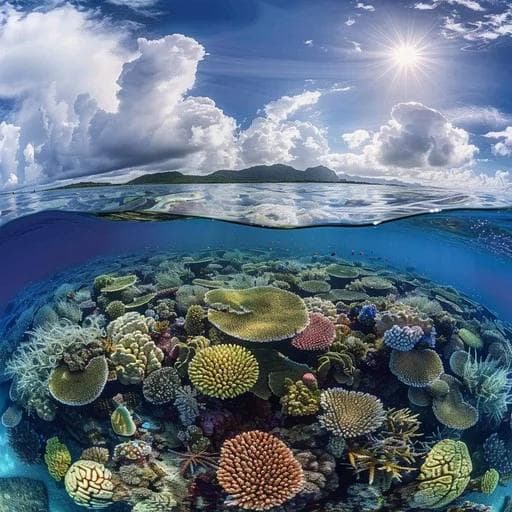
The sheer scale of Bar Reef is hard to comprehend until you are in the water. It is a complex system of patch reefs and sandstone habitats that acts as a nursery for the entire Indian Ocean. Because it is located relatively far offshore, the water clarity here can be exceptional, often offering visibility of up to 20 meters during the peak season.
The isolation is part of the charm. There are no buildings, no noise, and no pollution. When you jump off the boat, you are entering a wild environment. You aren't just looking at fish in a tank; you are swimming through their living room.
The Marine Life: What You Will Actually See
While the coral structures are impressive, the real stars of the show are the residents. The Bar Reef is famous for its population of sea turtles. It is very common to spot Hawksbill or Green Turtles gliding effortlessly through the water. If you are calm and quiet, they often have no problem swimming right next to you.
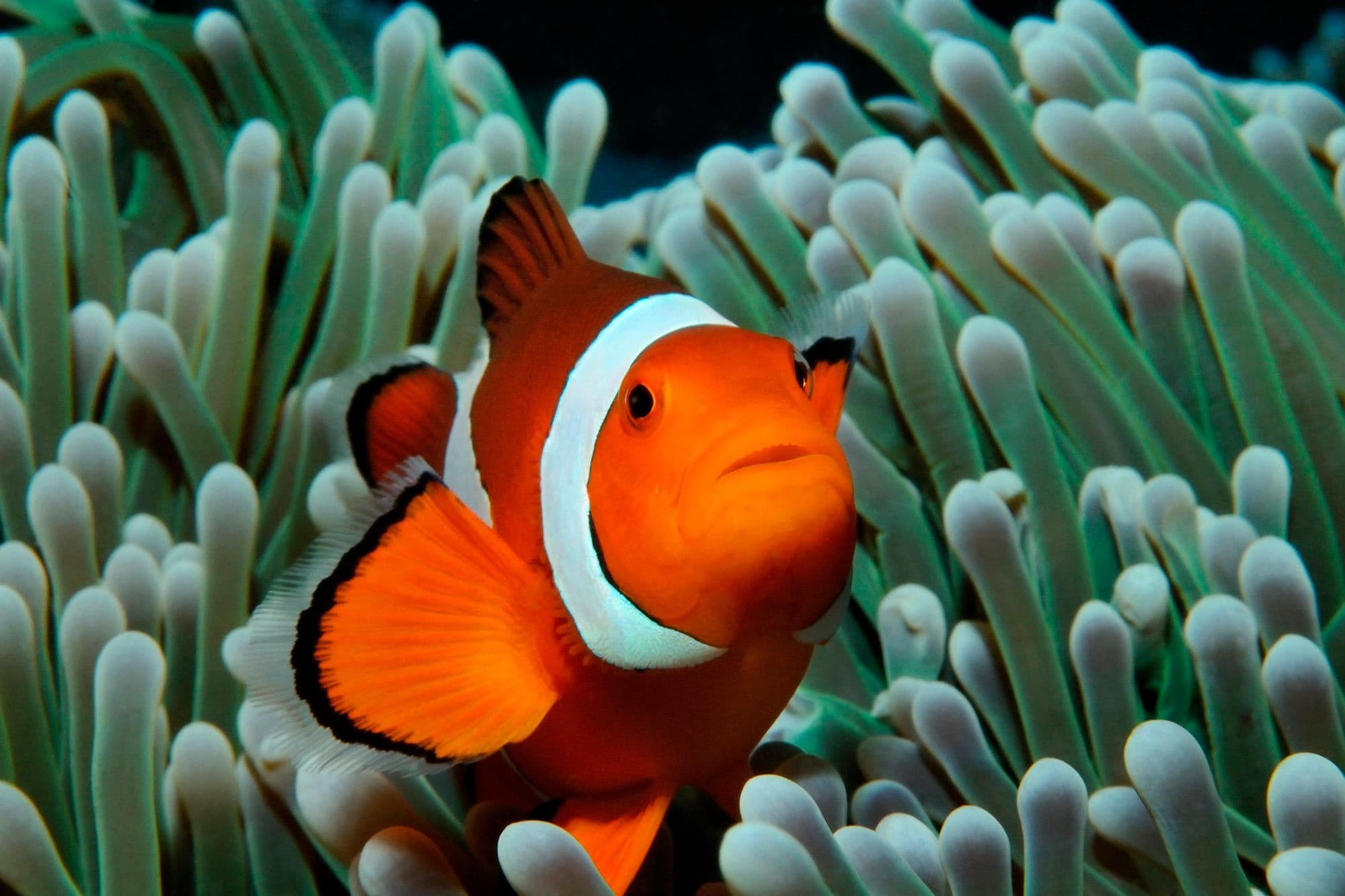
Beyond the turtles, the fish life is vibrant and chaotic. You will be surrounded by clouds of Fusiliers, massive schools of Snapper, and the colorful Parrotfish that you can actually hear crunching on the coral. Keep an eye out for the Blacktip Reef Shark. These small sharks are shy and harmless to humans, but seeing one dart through the shadows is a thrill you will never forget. For the lucky few, Manta Rays are occasionally spotted passing through the deeper channels.
A Realistic Note on Coral Bleaching
To be a responsible travel guide, we must be honest about the state of the coral. Like many reefs around the world, Bar Reef has suffered from rising ocean temperatures, leading to coral bleaching events in recent years.
This means you should not expect to see a technicolor carpet of coral everywhere you look. Some areas of the reef are grey and recovering. However, this does not ruin the experience. The reef is still very much alive with fish, and you will see pockets of beautiful new growth purple branching corals and massive Porites domes fighting back. Witnessing this recovery is a powerful reminder of how fragile our oceans are and why we must protect them.
When to Go and How to Get There
Timing is absolutely critical for this trip. The ocean in this part of Sri Lanka is seasonal.
The Season: November to April During these months, the sea is calm, flat, and safe. The visibility is at its peak. Do not attempt this trip during the Southwest Monsoon (May to October); the sea is rough, dangerous, and the visibility drops to zero.
The Journey You will need to hire a boat from Kalpitiya. The ride takes about 45 minutes to one hour depending on the sea conditions. Most tours leave early in the morning, around 7:30 AM or 8:00 AM. This gets you to the reef before the midday sun becomes too harsh and before the wind picks up, which can make the water choppy.
Snorkeling Etiquette: Be a Guardian, Not a Destroyer
Since Bar Reef is a protected sanctuary, visitors have a responsibility to leave no trace.
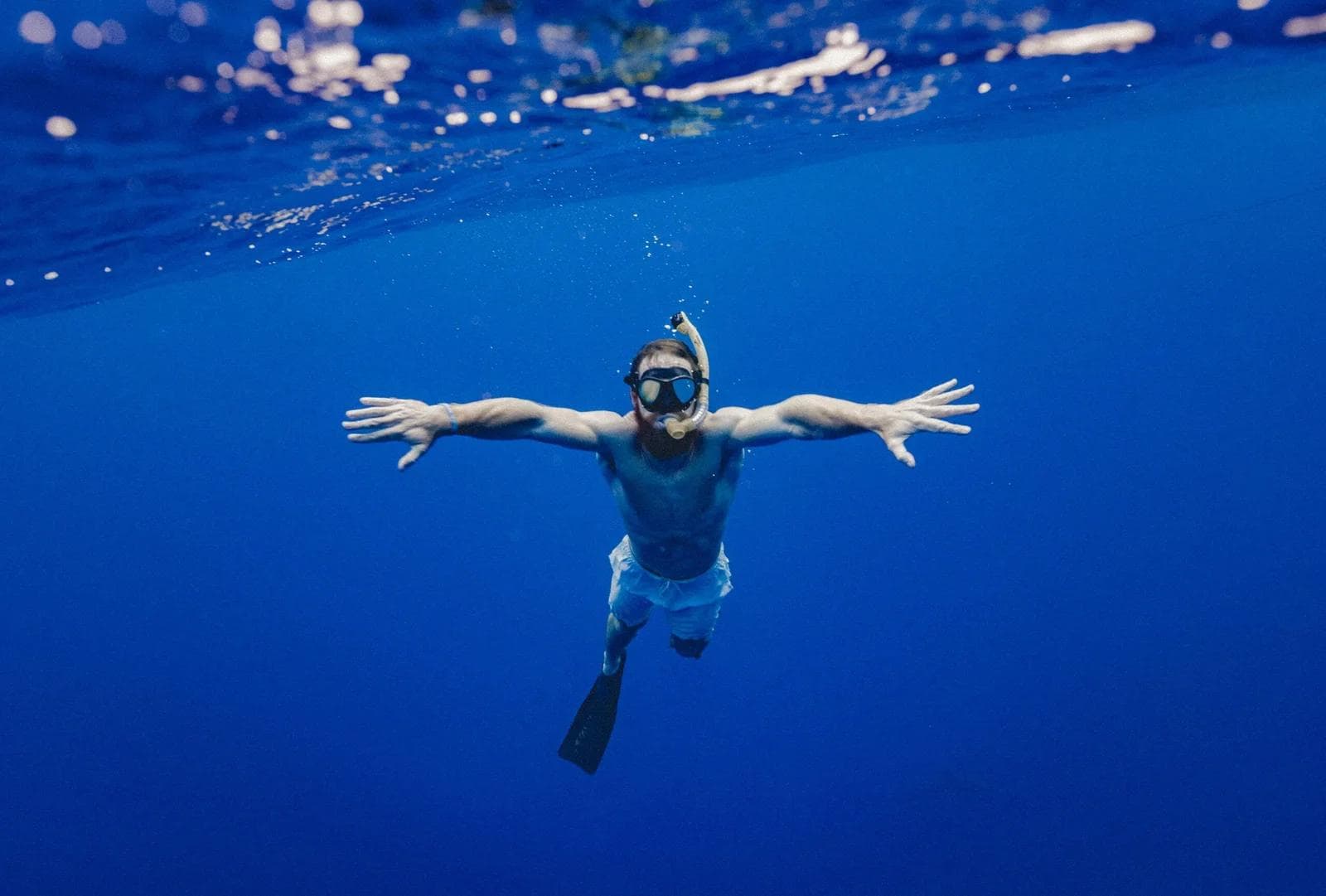
Look, Don’t Touch Never stand on the coral. Even if it looks like a rock, it is a living organism, and stepping on it can kill decades of growth in seconds. If you need to rest, signal your boat or float on your back.
No Souvenirs It is illegal to take any coral, shells, or marine life from the sanctuary. Leave everything exactly where you found it.
Reef-Safe Sunscreen Traditional sunscreens contain chemicals like oxybenzone that are toxic to coral. Wear a long-sleeved rash guard (which also protects you from jellyfish stings) and use mineral-based, reef-safe sunscreen on exposed skin.
Final Thoughts
A trip to Bar Reef is a humbling experience. It connects you with the vastness of the ocean and offers a window into a world that few people get to see. Whether you are swimming alongside a turtle or simply floating in the deep blue silence, the memories you make here will be some of the best of your Sri Lankan adventure. Just remember to respect the reef, so it remains a sanctuary for generations to come.
Enjoyed this story? Share it
About the Author
Shehan De Silva
A passionate coastal explorer and storyteller dedicated to uncovering world-class kitesurfing spots, hidden lagoons, and the vibrant marine life of Kalpitiya, Sri Lanka.