Kitesurfing in Kalpitiya: A Beginner’s Guide to the Best Seasons & Schools
Amelia Rose
Travel Writer
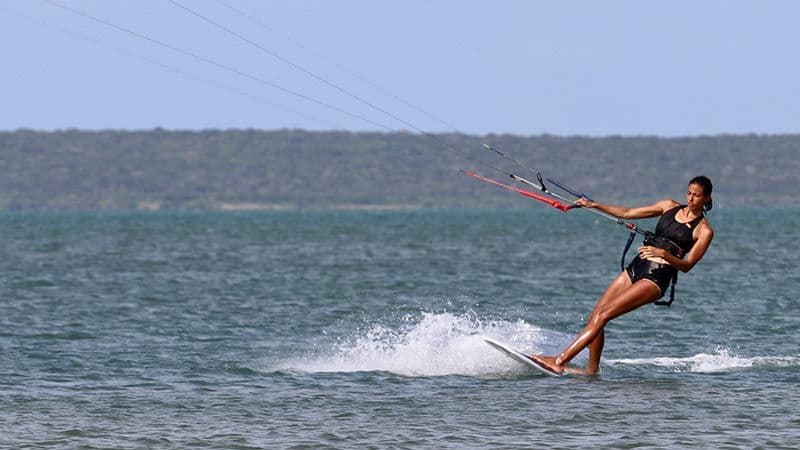
If you have ever dreamed of gliding across the water, harnessed to the wind with nothing but adrenaline pumping through your veins, Kalpitiya is the place to make that dream a reality. Tucked away on the northwest coast of Sri Lanka, this peninsula has quietly transformed from a sleepy fishing community into one of Asia’s premier kitesurfing destinations.
But what makes Kalpitiya truly special isn't just the wind it is the geography. A massive sandbar separates the Indian Ocean from the Kalpitiya Lagoon, creating a unique environment where you have the rough, crashing waves of the ocean on one side and the butter-flat, shallow waters of the lagoon on the other. For beginners, this flat water is a game-changer, making the learning curve significantly easier than in choppy ocean conditions.
If you are planning your first kite trip to Sri Lanka, this guide will walk you through exactly what to expect, when to come, and how to choose the right school for your adventure.
Understanding the Two Wind Seasons
Unlike many other destinations that only have a short window for good wind, Kalpitiya is blessed with two distinct seasons, ensuring that the kitesurfing action continues for nine months of the year. However, the conditions in these two seasons are quite different, and knowing the difference is key to planning your trip.
The Summer Season (Southwest Monsoon) From May through October, the wind is powerful. This is the peak season for wind reliability. The wind blows 24 hours a day, averaging around 20 to 30 knots. It is a warm, strong wind that essentially guarantees you will be on the water every single day of your trip. If you are a complete beginner, this season ensures you won't be sitting on the beach waiting for a breeze. The lagoon is busy, the energy is high, and the vibe is electric.
The Winter Season (Northeast Monsoon) From December to March, the winds shift. They usually pick up in the afternoon, offering a steady, slightly lighter breeze averaging 15 to 20 knots. This season is often preferred by travelers who want a mix of kitesurfing and other activities, like dolphin watching or diving, which are best done in the calmer morning seas during these months. The water in the lagoon is pristine during this time, and the atmosphere is generally more relaxed.
Why the Lagoon is Perfect for Learning
The biggest fear for most first-time kitesurfers is deep water. Struggling to control a kite while treading water in the deep ocean is exhausting and intimidating. This is where Kalpitiya shines. The lagoon is vast and shallow. In many areas, you can walk for hundreds of meters with the water only reaching your waist.
This shallow depth provides a massive safety net. If you crash your kite (and you will, it is part of the fun!), you simply stand up, reset, and launch again. You don't waste energy swimming back to your board. This allows you to progress much faster than you would in deep water locations. Within a standard three-day course, many students in Kalpitiya manage to get up on the board and ride their first few meters a milestone that might take twice as long elsewhere.
Choosing the Right Kitesurfing School
As Kalpitiya has grown in popularity, many kite schools have popped up along the lagoon. However, safety should always be your priority. When walking along the beach or booking online, look for schools that are IKO (International Kiteboarding Organization) certified.
An IKO-certified school guarantees that your instructor has undergone rigorous training. They follow a standardized teaching method that prioritizes your safety. They will teach you essential skills like how to use the safety release system, how to self-rescue in deep water, and the "right of way" rules on the water.
Ask the school about their equipment as well. Kitesurfing gear takes a beating from the sun, salt, and sand. The best schools renew their kites and bars every season. Learning on crisp, new gear is not only safer but also makes the flying experience much smoother.
What to Wear and Bring
The sun in Kalpitiya is intense, and the reflection off the water magnifies its power. You will be spending hours in the water looking up at a kite, which means your face is constantly exposed to direct sunlight.
Sun Protection is Non-Negotiable Regular sunscreen often washes off after an hour of crashing into the water. It is highly recommended to use "zinc" sunblock for your face the thick, colored paste that stays on even in the water. A good pair of polarized sunglasses with a safety strap is also essential to protect your eyes from the glare.
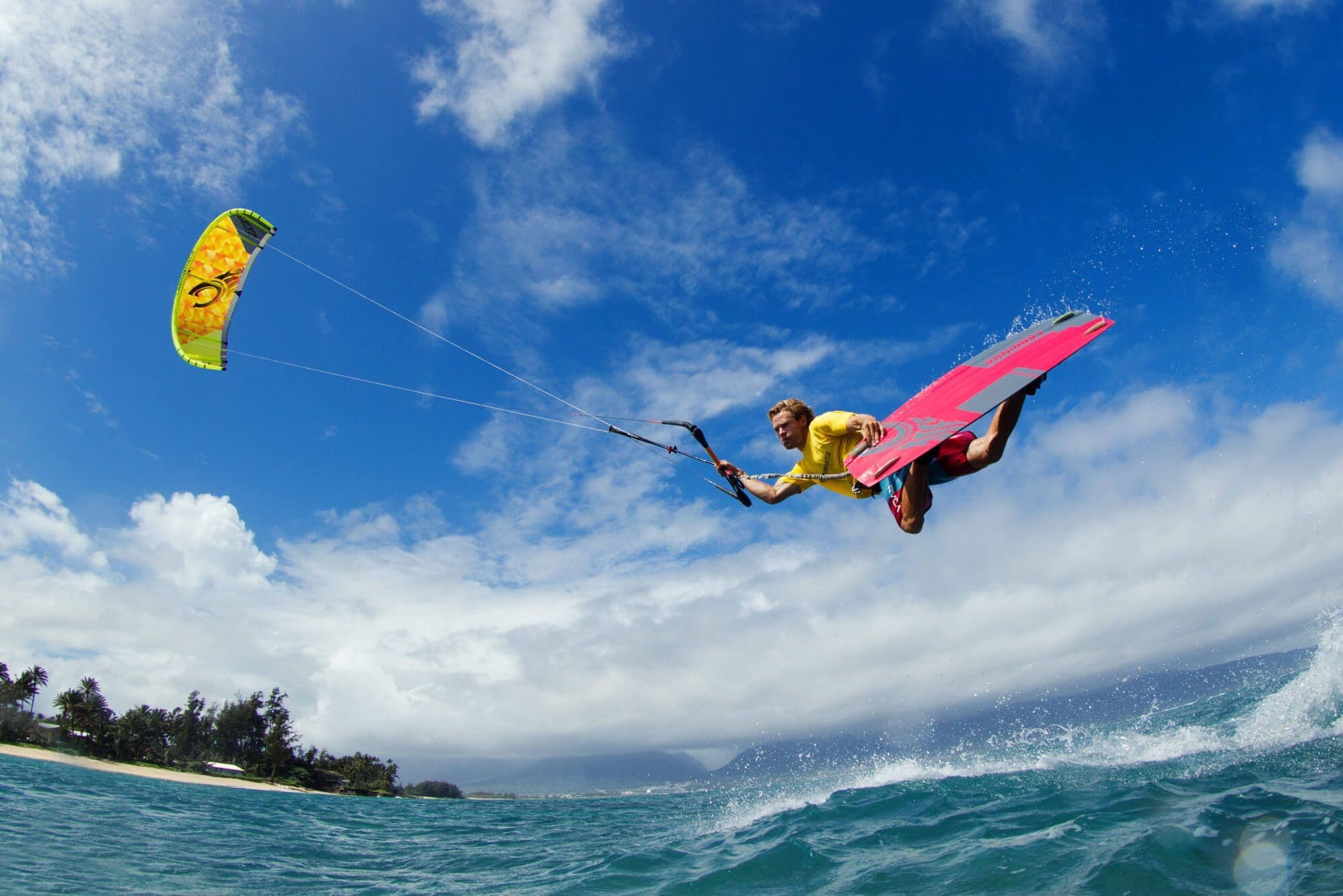
Clothing While the water is warm enough to kite in boardshorts or a bikini, most instructors recommend wearing a long-sleeved rash guard (Lycra). This protects your skin from the sun and prevents harness rash the chafing that can occur where the kite harness sits against your skin.
Beyond the Lessons: The Kite Camp Vibe
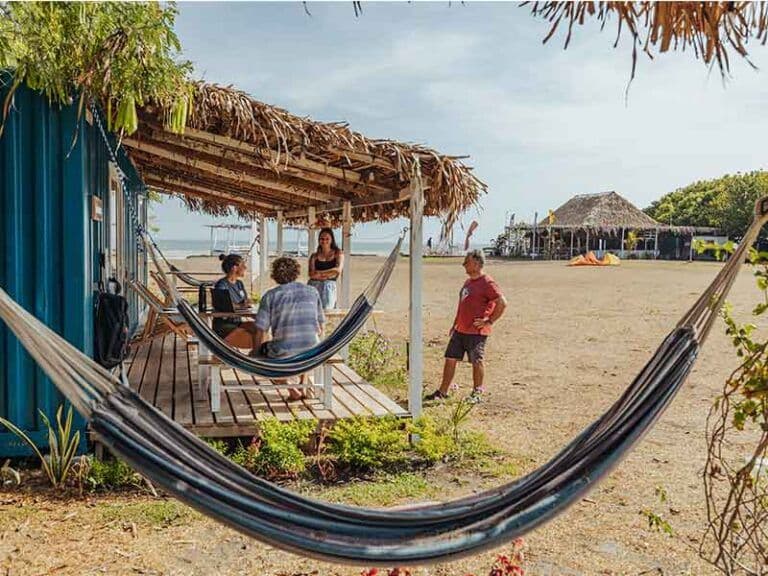
One of the best parts of a kitesurfing trip to Kalpitiya is the lifestyle. Most accommodation options here are "Kite Camps" rustic, eco-friendly resorts designed specifically for surfers. Imagine sleeping in a cabana woven from coconut palm leaves, walking on sand floors, and spending your evenings in a communal dining area sharing curry and stories with travelers from Germany, France, the UK, and beyond.
The vibe is incredibly communal. Everyone is there for the same reason: the wind. After a long day on the water, the camps come alive with music, BBQ dinners, and the shared excitement of the day’s progress. It is an environment where solo travelers easily make friends and where the stress of the corporate world feels a million miles away.
Final Thoughts
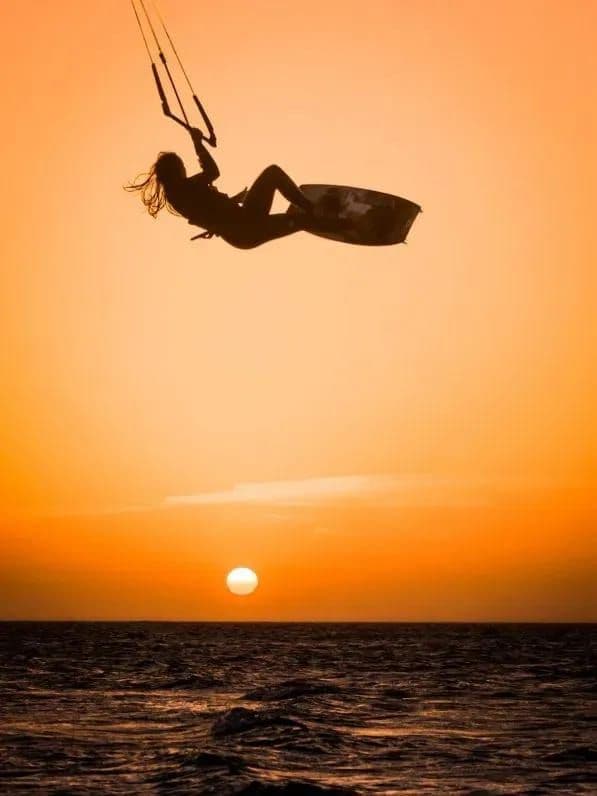
Kalpitiya is more than just a travel destination; it is an experience that connects you with the raw power of nature. Whether you are looking to master a new sport, escape the city, or simply watch the colorful dance of kites against a tropical sky, this little peninsula offers an adventure unlike any other. Book your lesson, trust the wind, and get ready for the ride of a lifetime.
Enjoyed this story? Share it
About the Author
Amelia Rose
A passionate coastal explorer and storyteller dedicated to uncovering world-class kitesurfing spots, hidden lagoons, and the vibrant marine life of Kalpitiya, Sri Lanka.