Kayaking the Mangroves: A Hidden Nature Experience in Kalpitiya Lagoon

Oliver James
Travel Writer
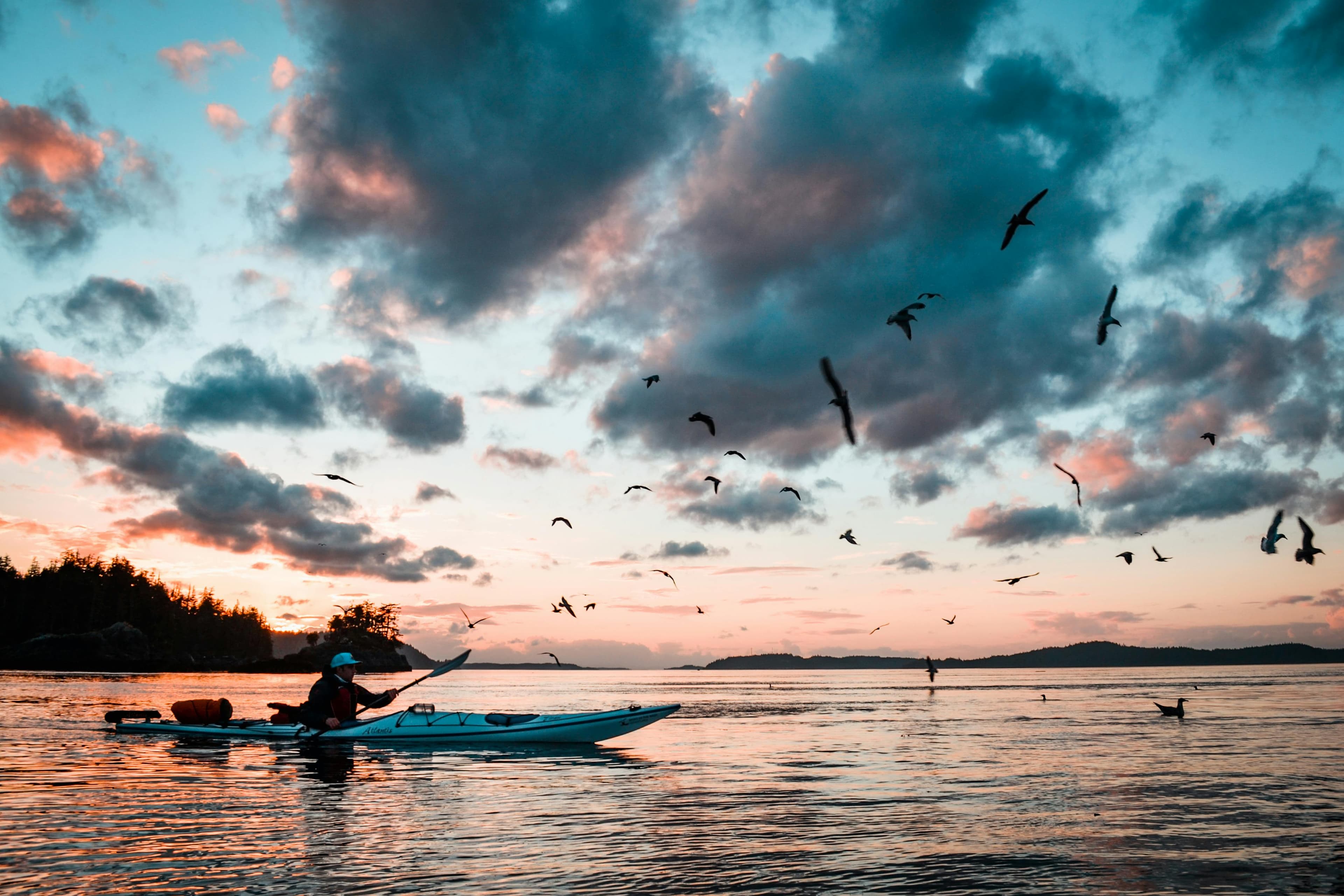
When you think of Kalpitiya, you probably hear the sound of the wind. You picture colorful kites darting across the sky and the crash of the ocean waves. But there is another side to this peninsula a side that is silent, green, and teeming with life.
Hidden within the vast Kalpitiya Lagoon lies a complex labyrinth of mangrove forests. These ancient trees create a sanctuary that feels a world away from the busy kite beaches. For travelers looking to hit the "pause" button and reconnect with nature, swapping a kiteboard for a kayak is one of the most rewarding decisions you can make. It is a chance to explore the "lungs" of the lagoon, where the water is still, the air is cool, and the only sound is the dip of your paddle.
The Magic of the "Mangrove Tunnels"
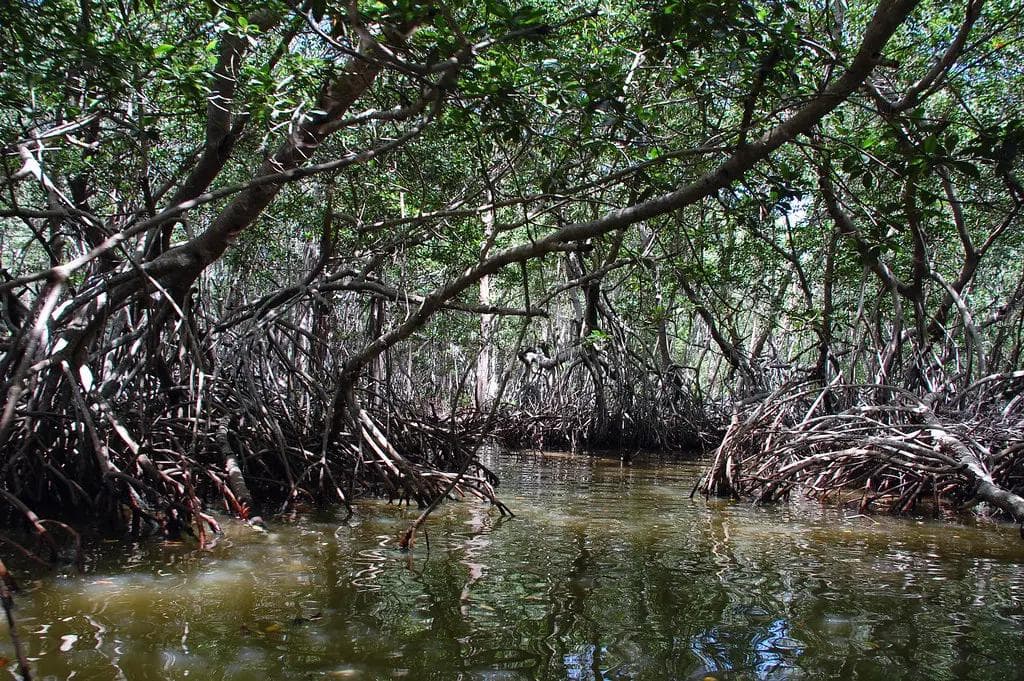
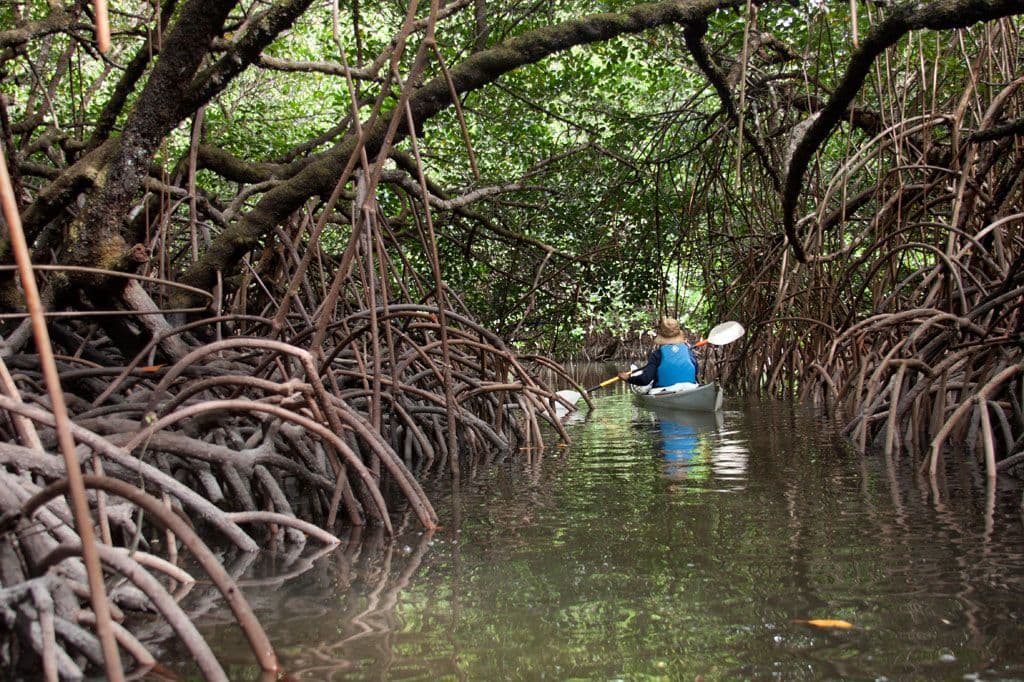
The highlight of any kayaking trip here is navigating the narrow channels that cut through the dense forest. The mangroves in Kalpitiya specifically the Rhizophora species are famous for their tangled "prop roots" that arc down from the trunk into the water, looking like a cage of wooden ribs.
As you paddle deeper into the forest, the canopy closes overhead, blocking out the harsh tropical sun. The temperature drops noticeably. You find yourself gliding through what feels like a green cathedral. The water in these channels is shallow and incredibly calm, reflecting the twisted roots and green leaves like a mirror. It is a meditative experience, requiring slow, deliberate paddling to avoid bumping into the roots. This is not a race; it is a slow-motion exploration.
A Birdwatcher’s Paradise
While the open lagoon is great for scenery, the mangroves are where the wildlife hides. These forests act as a nursery for fish and a hunting ground for birds, making it one of the best birdwatching spots on the West Coast.
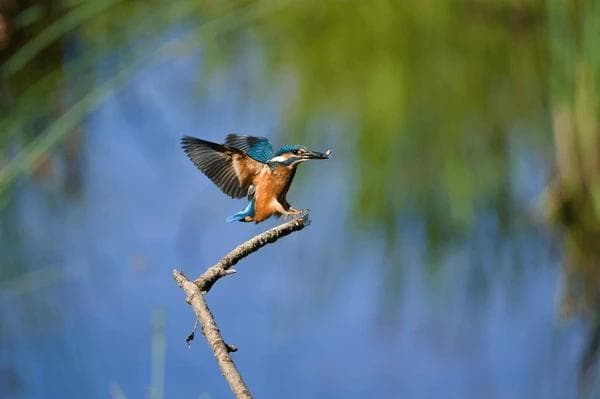
You don't need to be an expert ornithologist to appreciate the show. The star attraction is usually the Pied Kingfisher or the vibrant Common Kingfisher, often seen darting like a blue bullet between the branches. If you keep your eyes on the mudbanks, you might spot Pond Herons standing perfectly still, waiting for a catch.
Look up, and you will almost certainly see the White-bellied Sea Eagle or the Brahminy Kite circling high above, scanning the water for prey. In the winter months, the lagoon fills with migratory visitors, adding splashes of color and new calls to the jungle chorus.
Timing: The Sunrise Advantage
To see the mangroves at their best, you have to beat the heat. The absolute best time to launch your kayak is at sunrise, around 6:00 AM.
At this hour, the wind hasn't picked up yet, so the lagoon is flat and glassy. The light is soft and golden, perfect for photography. Most importantly, this is when the birds are most active. The silence of the morning is broken only by the waking jungle. By the time you return to the shore around 8:30 or 9:00 AM, the sun will be high and the wind will be starting to build, signaling the start of the kitesurfing day.
Sunset tours (starting around 4:30 PM) are a good alternative if you are not a morning person, offering beautiful colors as the sun dips below the horizon, though the wind can sometimes make paddling a bit more of a workout.
What You Will See Below the Water
It is not just about what is above the water. The complex root systems of the mangroves serve as a safe haven for juvenile fish, crabs, and shrimp. As you paddle quietly, look down into the clear, shallow water. You will often see schools of tiny fish darting for cover as your shadow passes.
On the muddy banks exposed by the tide, watch for the Fiddler Crabs. The males are easy to spot with their one comically oversized claw, which they wave in the air to attract females. It is a hive of activity that goes completely unnoticed until you stop moving and just watch.
Practical Tips for the Trip
Guided vs. Solo While you can rent a kayak and go alone, hiring a local guide is highly recommended for your first time. The mangrove channels can be a maze, and it is easy to get turned around. A local guide knows exactly which channels are passable at the current tide level and, more importantly, they have trained eyes to spot wildlife you would likely miss.
What to Bring Since you will be on the water for 2-3 hours, bring a bottle of water to stay hydrated. A waterproof bag (dry bag) is essential for your phone and car keys. Wear a hat and sunglasses, and don't forget mosquito repellent—the mangroves are beautiful, but they are still a swamp environment!
Final Thoughts
Kayaking the Kalpitiya mangroves offers a rare moment of stillness in an otherwise action-packed destination. It grounds you. It reminds you that this coastline is a living, breathing ecosystem that supports much more than just tourism. Whether you are a photographer, a nature lover, or just someone who needs a break from the wind, this hidden green world is waiting to be explored.
Enjoyed this story? Share it
About the Author
Oliver James
A passionate coastal explorer and storyteller dedicated to uncovering world-class kitesurfing spots, hidden lagoons, and the vibrant marine life of Kalpitiya, Sri Lanka.