Beyond the Beach: Immersing Yourself in the Local Culture and History of Kalpitiya
Pasindu Bandara
Travel Writer
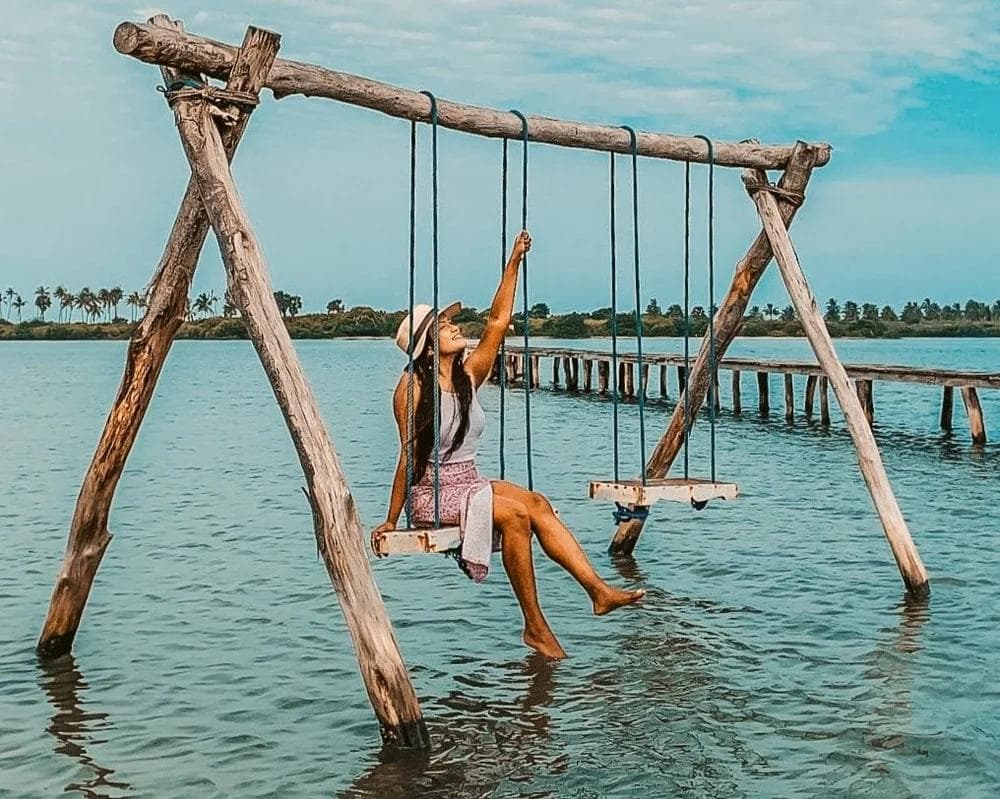
Travelers come to Kalpitiya for the wind, but they often leave captivated by its history. This narrow stretch of land, jutting out between the vast Indian Ocean and the Puttalam Lagoon, has been a critical maritime crossroads for centuries. It is a place where Arab traders, European colonists, and ancient Sri Lankan kingdoms converged, leaving behind a rich, multicultural tapestry that defines the local way of life today.
To truly appreciate Kalpitiya, you must venture beyond the kite camps. This guide offers a realistic look at the people, history, and customs that anchor this windswept peninsula.
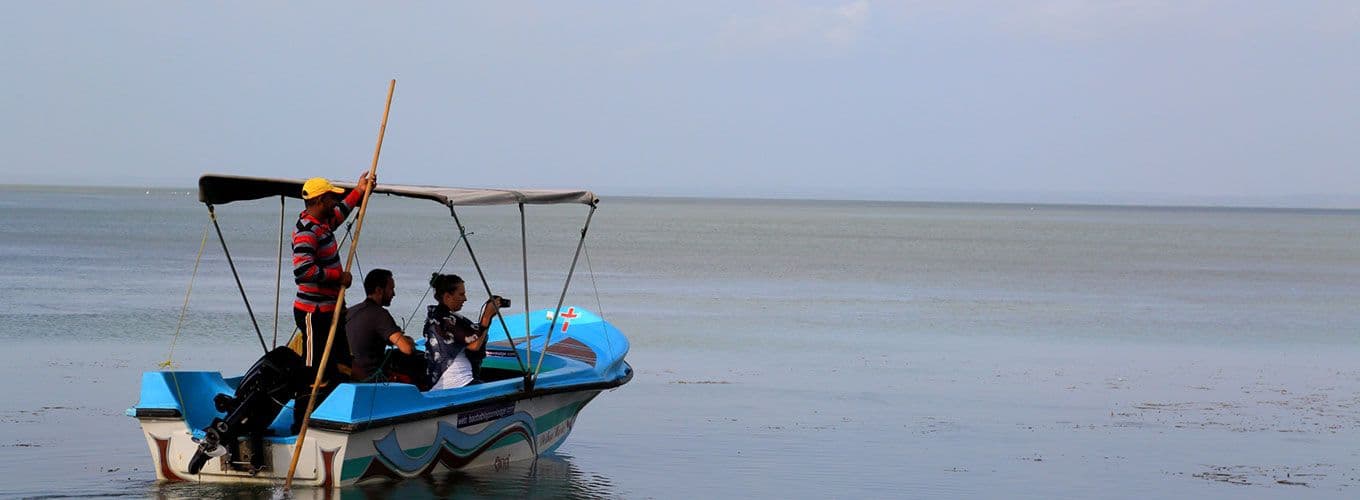
The People: A Multicultural Tapestry
The most striking reality of Kalpitiya town is its profound diversity. Unlike many other single-ethnicity coastal towns in Sri Lanka, Kalpitiya is a true melting pot, a result of its centuries as an international trading port.
- Muslim Majority: The largest demographic group is the Muslim community, whose ancestors trace back to Arab traders who settled here. This is reflected in the numerous mosques and the rhythm of life in the town center.
- Christian Heritage: There is a significant Roman Catholic population, rooted in the legacy of the Portuguese and the profound spiritual influence of the St. Anne’s Shrine at nearby Talawila one of Sri Lanka’s most revered pilgrimage sites.
- Sinhalese and Tamil: The rest of the population is comprised of Sinhalese and Sri Lankan Tamils, often engaged in the fishing and agriculture industries.
This religious and ethnic harmony is palpable. You will hear both Sinhala and Tamil spoken, and see mosques, churches, and temples existing peacefully within close proximity.
An Economy of Salt, Spice, and Sea
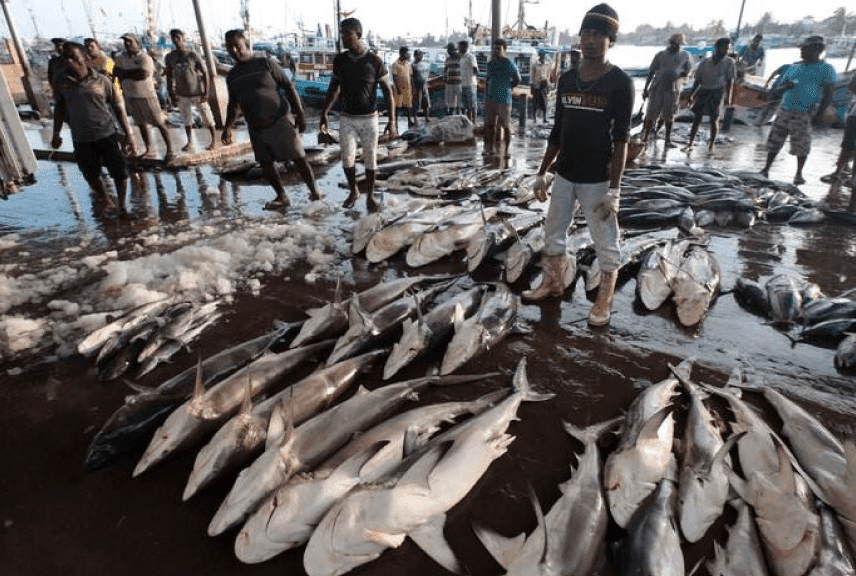
Before kitesurfers arrived, the economy of Kalpitiya was powered by three things: trade, cinnamon, and fish. The surrounding lagoon and coastal waters are a nursery for diverse marine life, making the local fishery harbor one of the most active in the country.
- The Fishery: Life still revolves around the daily catch. Waking up early and visiting the Fish Market is the best way to witness this economy in action a sensory overload of shouting, trading, and the freshest seafood imaginable.
- Agriculture: Venture inland, and you see onion fields, chili farms, and large coconut plantations (the origin of the country's famous Arrack). The land is as important as the sea.
The Traveler’s Guide to Respectful Interaction
When moving from the tourist bubble to the local villages, a few simple acts of respect will transform your experience.
- Dress Modestly: This is the most important rule. When you are outside your resort, especially in the town or market, ensure your knees and shoulders are covered. This shows respect for the majority Muslim and traditional Christian communities.
- Greetings: Always greet locals with a warm smile. Learn the standard Sinhala greeting, “Ayubowan” (meaning "may you live long"), or the Tamil greeting, “Vanakkam” (often pronounced "Vanakkam" locally). Locals deeply appreciate the effort.
- Use Your Right Hand: In South Asian culture, the right hand is used for eating, giving, and receiving items (especially money). Avoid using your left hand for these actions.
- Ask Before You Shoot: Always ask permission before taking a photo of a person, especially fishermen at work or women. A simple gesture and a smile go a long way.
Colonial Echoes and Spiritual Anchors
History is not buried here; it stands at the edge of the water.
The Dutch Fort, now maintained by the Sri Lanka Navy, stands as a stark reminder of the colonial struggle for control over the cinnamon trade. Just down the road, the serene white structures of St. Anne’s Shrine at Talawila speak to the enduring faith that has survived centuries of colonial powers. Visiting these two sites together is a powerful exercise in understanding the multi-layered history of the peninsula.
Final Thoughts
Kalpitiya is a hidden gem not just for its natural beauty, but for the rich, resilient community that lives here. The greatest adventure you can have is taking a break from the water, renting a scooter, and immersing yourself in the simple, fascinating daily life of the local villages. Say hello, dress respectfully, and let the people of the peninsula welcome you into their timeless story.
Enjoyed this story? Share it
About the Author
Pasindu Bandara
A passionate coastal explorer and storyteller dedicated to uncovering world-class kitesurfing spots, hidden lagoons, and the vibrant marine life of Kalpitiya, Sri Lanka.